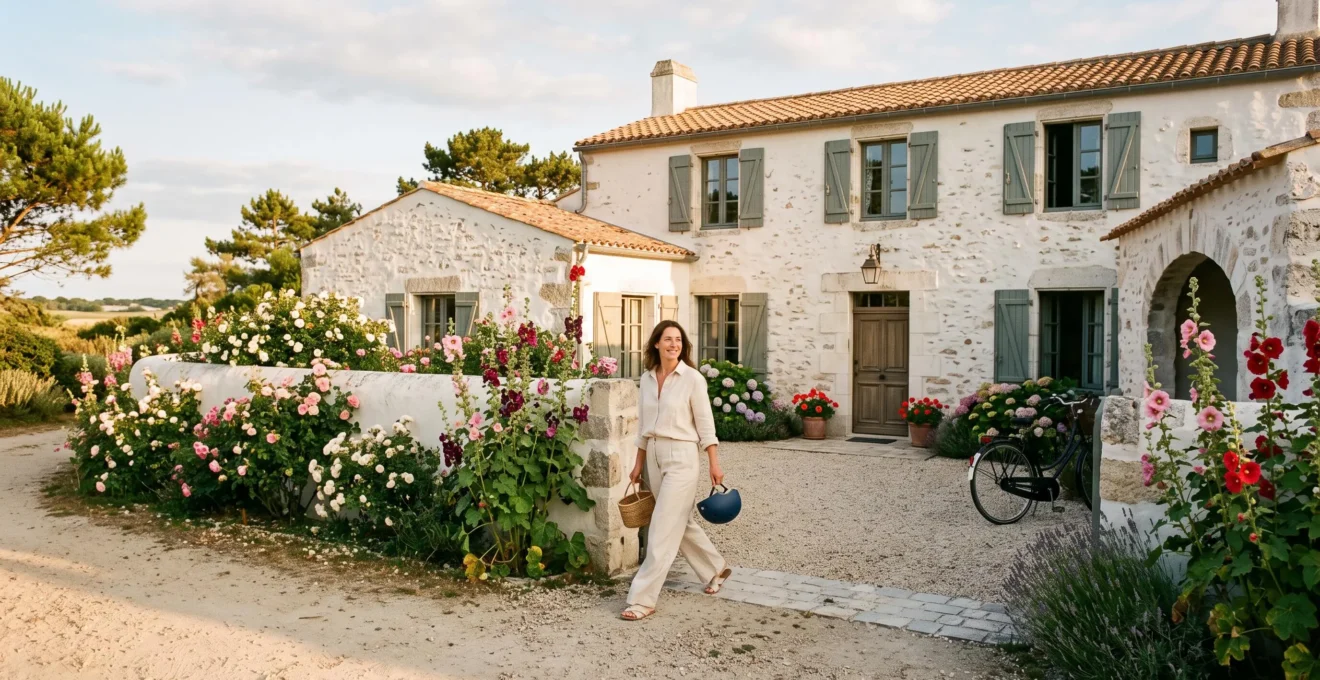
For premium travellers planning luxury villa holidays in France, the shortlist often jumps straight to the Riviera. Île de Ré is different: it offers an understated, design-led villa lifestyle rooted in villages, cycling lanes and protected landscapes—without asking you to trade authenticity for comfort.
This guide translates what makes the island special into practical decision criteria: where to base yourself village by village, when to come for the best balance of atmosphere and value, and how to handle the logistics once you decide a villa makes more sense than a hotel.
If you are comparing Île de Ré with established luxury destinations
- Choose Île de Ré for a quieter, village-based luxury feel rather than a “scene” destination.
- Pick your base by priority: harbour life (Saint-Martin-de-Ré), wilder west-coast beaches (Ars-en-Ré/Les Portes-en-Ré), or easy family logistics (central villages).
- Plan around seasonality: peak summer delivers the full buzz; May–June and September can feel more spacious.
- Expect to move like locals: bikes first, car second—helped by an official cycle network.
- Budget for the bridge toll if driving, and secure restaurants and services early in high season.
Why Île de Ré Remains One of France’s Best-Kept Luxury Secrets
Direct answer: Choose Île de Ré if you want a luxury villa holiday that feels discreet and local—village markets, salt marsh landscapes and bike-led days—rather than a high-density resort atmosphere.
The island’s “luxury” signal is less about flash and more about space, privacy and setting. You are typically close to beaches and nature reserves, yet still anchored in lived-in villages—an appeal that can be hard to replicate in more intensely developed coastal hotspots.
It is also a working, seasonal tourism economy, which helps explain why timing and planning matter. According to Insee’s analysis of tourism jobs in Charente-Maritime, “Plus d’un emploi sur quatre (28 %) est dû à la présence de touristes sur Ré” (data for 2015). That’s useful context for travellers: in peak periods, demand concentrates quickly on accommodation, restaurants and local services.
Île de Ré vs the Côte d’Azur: what changes for a villa stay?
If your benchmark is the Côte d’Azur, the difference is mainly the rhythm of the day. On Île de Ré, the villa lifestyle tends to revolve around cycling between villages, long beach afternoons and low-key harbour evenings—rather than car-based itineraries and nightlife districts. That does not make it “better”; it makes it easier to prioritise privacy and a preserved feel.
A simple way to compare is to ask: do you want your villa to be a base for events and glamorous hotspots, or a base for quiet routines done well (fresh produce, good terraces, sea air, and design-forward homes that blend into the landscape)? Île de Ré fits the second profile.
What Makes a Luxury Villa Stay on the Island Different?
Direct answer: A luxury villa stay on Île de Ré is usually about having your own space—indoors and outdoors—in a style that matches the island’s architecture, with the freedom to live like a resident rather than follow hotel rhythms.
Instead of large resort buildings, the island is known for homes that visually “belong” to the place: whitewashed walls, grey-green shutters, enclosed gardens, and a calm, coastal palette. Many premium travellers value this because it looks and feels rooted in the local environment rather than imported.
Villa vs hotel: which fits a premium trip better?
A villa can outperform a hotel when your priorities are privacy, multi-generational comfort, or a slower pace. You gain shared living areas (useful for families or friends), outdoor space for long meals, and the ability to structure days around the island—especially cycling—rather than check-in times.
Value for money is also easier to judge in a villa if you assess it per person and per square metre, not just per night. The trade-off is responsibility: you may need to plan housekeeping expectations, groceries, and dining reservations more actively than you would in a full-service hotel.
Pros and trade-offs to consider before booking
- Privacy and “home base” comfort for couples, families or groups
- Outdoor living (courtyards, gardens) that suits the island’s pace
- Ability to stay near specific village atmospheres, not just “the beach area”
- Peak-season availability can be tight, so choice may narrow late
- Without hotel services, you will organise meals, bikes and day planning more proactively
- Location matters more: a “beautiful villa” can feel less convenient if it is not well placed for your routine
Cas pratique
A hypothetical scenario: a family of five is choosing between a luxury hotel stay and a villa. On Île de Ré, the villa option becomes more compelling if they want early beach days, lunch at home, naps for children, and evening cycling into a harbour village—without coordinating two hotel rooms and restaurant timings every night.
The Best Villages and Areas to Base Yourself
Direct answer: Base yourselves in Saint-Martin-de-Ré for harbour life and a central hub, or look west (Ars-en-Ré, Les Portes-en-Ré) for quieter, more “wild” edges—then refine your choice by how much you want to rely on cycling.
Your villa location on Île de Ré is less about “north vs south” and more about daily friction: Can you cycle to what you love—markets, beaches, a harbour for evenings—without thinking about parking and traffic?
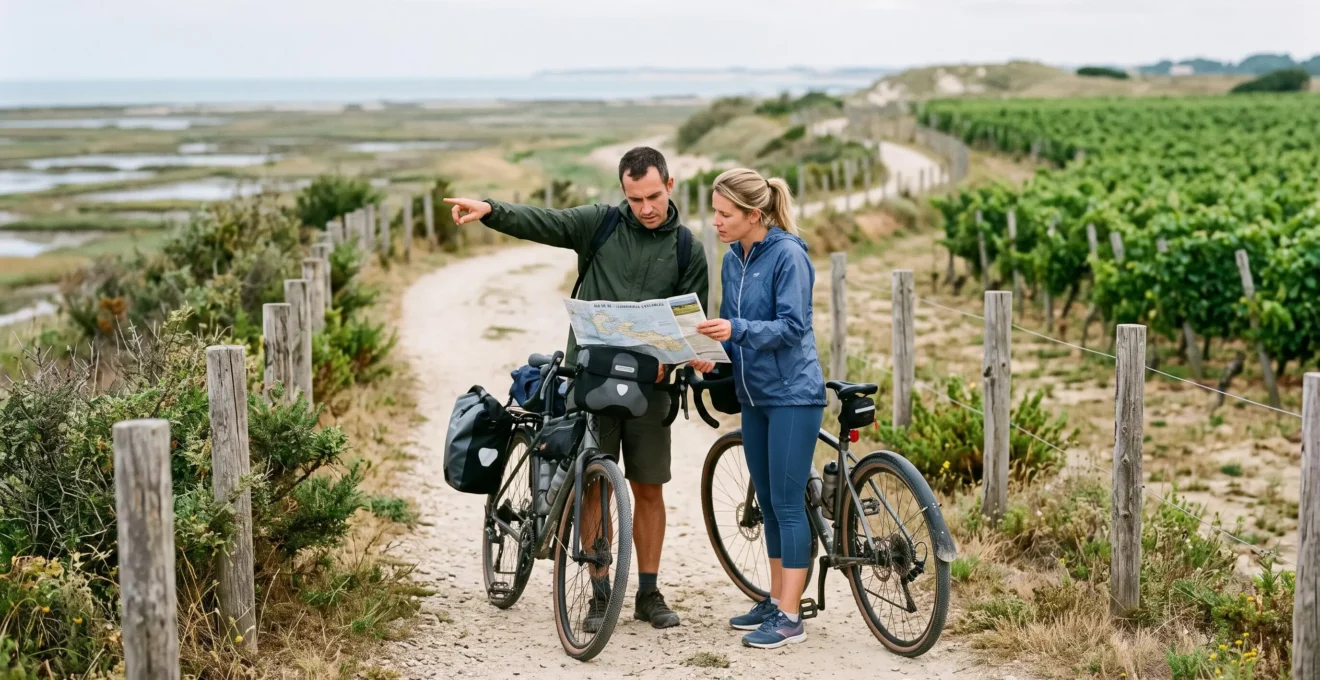
The island’s cycling culture is not just a vibe; it is supported by an official network. The Destination Île de Ré Tourist Office states there are 138 km of signposted cycle paths, connected to the national routes Vélodyssée and Vélo Francette, as part of the Accueil Vélo label (Destination “Accueil Vélo” on the Île de Ré tourist office website).
Village-by-village grid: match the base to your priorities
Use this grid as a decision tool rather than a ranking. “Best” depends on what you want to do most days—and how you want evenings to feel.
| Priority | Areas that often fit well | Why it can work in practice |
|---|---|---|
| Harbour atmosphere and walkable evenings | Saint-Martin-de-Ré | Central-feeling base with a lively port mood and easy access to shops and terraces |
| Quieter, more natural edges | Ars-en-Ré, Les Portes-en-Ré | West/northwest villages suit travellers who want wilder beaches and a calmer nightly rhythm |
| Easy family logistics | Central villages (choose by villa setting) | Shorter cycle distances across the island can reduce day-to-day friction with children |
| “Bike-first” trip design | Any village with direct path access | A well-placed villa near signposted paths makes beach, market and dinner plans simpler |
Two decision scenarios you can reuse
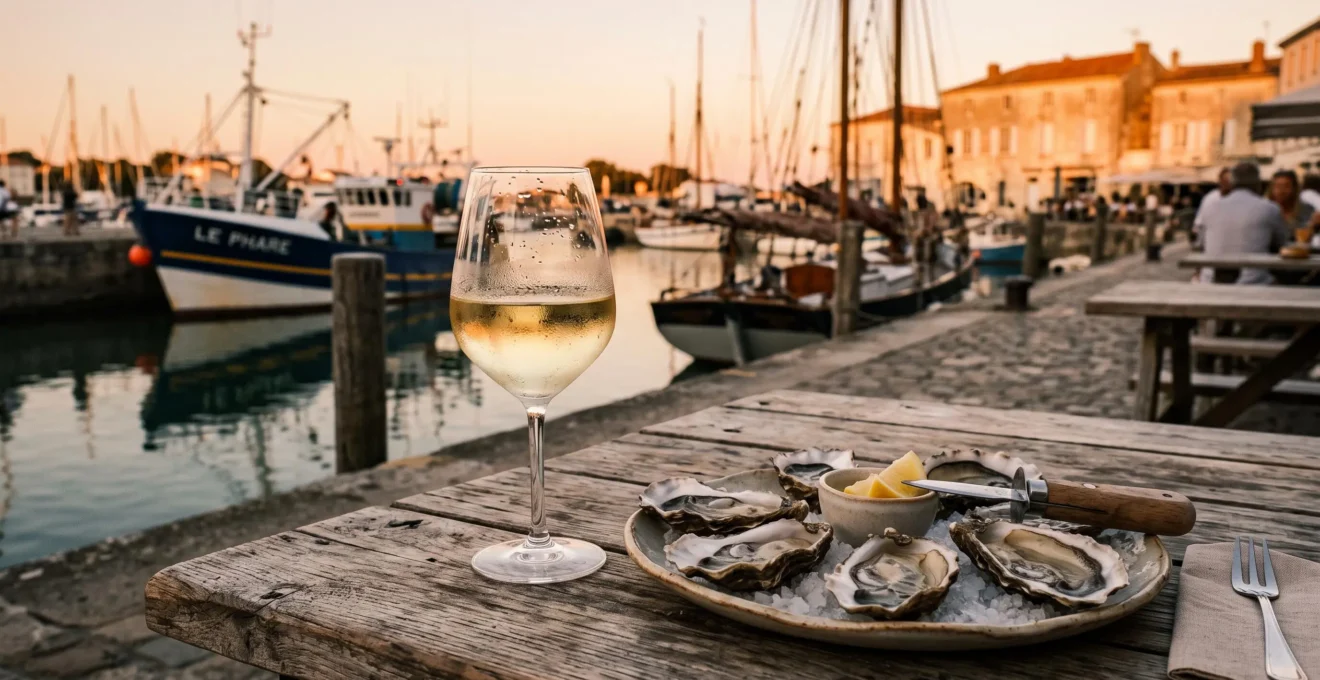
If you are a couple seeking that “evening stroll” feeling, prioritise a base where you can walk to the harbour for aperitif time and cycle out in the morning for beaches and marshland views. Saint-Martin-de-Ré often matches that pattern.
If you are travelling as a family and want quiet beaches and early nights, look towards the western side and focus on a villa where outdoor space and easy bike access reduce logistics. That is when villages such as Ars-en-Ré or Les Portes-en-Ré tend to become more appealing.
When Is the Best Time to Visit Île de Ré?
Direct answer: For many premium travellers, May–June and September are the sweet spot for a luxury villa holiday: the island can feel calmer while still delivering beach-and-cycling days.
Île de Ré is highly seasonal, and your experience shifts quickly depending on when you arrive. High summer brings the fullest choice of open restaurants and a classic seaside buzz, but also the densest atmosphere and the strongest competition for accommodation.
Shoulder periods can be the most comfortable way to test the island without the peak-season intensity. Weather and sea temperatures are naturally variable, but the island’s flat terrain and cycling culture mean you do not need “perfect heat” to enjoy full days outside.
How seasonality affects crowds, availability and the “worth it” question
If your main objection is “Is Île de Ré worth it for a luxury stay?”, seasonality is part of the answer. In peak weeks, you are paying for a specific combination: prime weather windows, maximum atmosphere, and limited island capacity. That can feel worth it if you want the full social energy.
If you want the same setting with less pressure on restaurants, bikes and roads, shoulder months often deliver a better balance. Because we do not have a verified official dataset on villa price variations in the provided sources, treat any pricing guidance you see elsewhere as indicative and confirm it with the specific property or agency you are considering.
Planning benchmark: If you want a particular village and a specific villa style, start your search early for summer weeks, because island supply is finite and demand is seasonal.
Planning Your Trip: Practical Tips for a Smooth Stay
Direct answer: The simplest plan is train to La Rochelle plus a car or taxi connection, then run your island days by bike; if driving, factor the bridge toll and book key reservations early in peak season.
Practical planning is where a premium trip can either feel effortless—or quietly stressful. On Île de Ré, the two levers that make the biggest difference are arrival logistics (how you cross from the mainland) and mobility on the island (bikes as default).
Getting there: what to decide before you book your villa
If you plan to drive onto the island, check the official bridge toll options in advance. The bridge operator’s site lists subscription products, including a 10-trip anonymous card at 12 € for a class 5 vehicle, i.e. 1.20 € per crossing (subscriptions and toll prices on the Île de Ré bridge official website). As always, confirm your vehicle class and the conditions that apply to your dates.
If you prefer not to drive the full way, a common approach is to arrive by train to La Rochelle and complete the last leg by road. That can reduce fatigue, especially if you are landing in France and want a smoother first day.
Getting around: why bikes change how “luxury” feels
Bikes are not a tourist add-on here; they are a practical way to protect your time. When your villa is well positioned, you can cycle to markets, beaches and dinners without constantly thinking about parking or traffic flow.
This is where the island can feel quietly high-end: not because everything is exclusive, but because the infrastructure supports a frictionless routine. If anyone in your group is not comfortable cycling, choose a base where the essentials are reachable on foot and keep car use to a minimum rather than trying to “do everything” every day.
A step-by-step arrival plan you can copy (Paris or London)
- Choose your “main transport spine” first
Decide whether your trip is car-first (more luggage flexibility) or rail-first (less fatigue), then choose a villa location that matches that choice.
- Lock your base village before details
Pick the village using your priorities: harbour evenings, quiet beaches, or central convenience. Then short-list villas within easy access to cycle paths.
- Reserve bikes early in peak weeks
If you are arriving in high season, treat bike rental like a core service, not a last-minute extra, because it shapes every day.
- Plan your first 24 hours
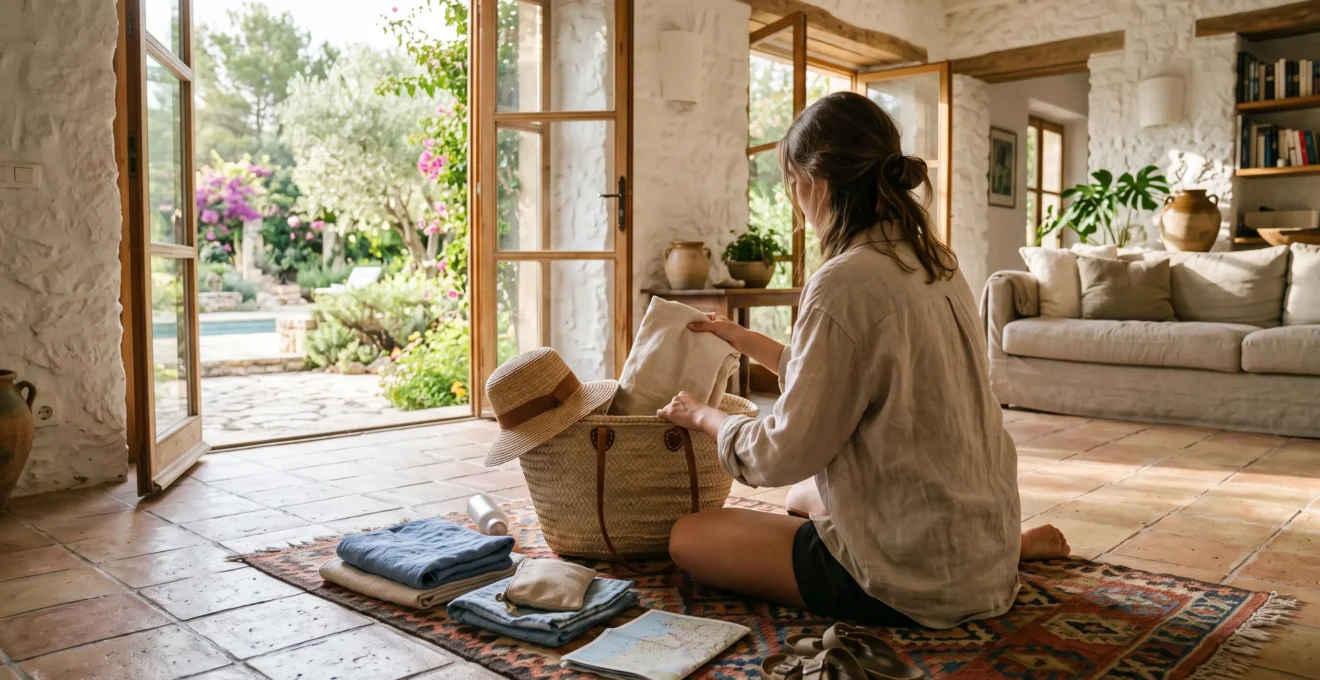
Arrive, settle, shop for breakfast basics, and do one short cycle loop to orient yourselves. It reduces decision fatigue for the rest of the stay.
- Make two or three “anchor” bookings
In peak periods, reserve key dinners you care about, then keep the rest flexible around weather and mood.
Once you have chosen your base and season, the island tends to reward a simple approach: one beach you return to, one market routine, and a few cycling routes you repeat. That is often where luxury villa holidays on Île de Ré feel most convincing—quietly consistent, rather than busy and performative.
Is Île de Ré good for a luxury holiday?
Yes, if your definition of luxury is privacy, space, and a preserved setting with high-quality daily life (markets, beaches, cycling). It is less suited if you want a nightlife-driven “scene” comparable to parts of the Côte d’Azur.
Which village should we base ourselves in?
Start with your evenings: choose Saint-Martin-de-Ré for harbour life and a central hub, or look to Ars-en-Ré and Les Portes-en-Ré for a quieter feel and wilder edges. Then check how easily you can reach beaches and markets by bike from the villa.
Does a luxury villa justify its price compared to hotels?
It can, particularly for families or groups who will use outdoor space and shared living areas every day. The trade-off is fewer included services, so the “value” depends on how much you care about autonomy and privacy versus hotel convenience.
How do you get to the island and get around?
You can drive over the bridge (factor in the toll), or arrive by train to La Rochelle and complete the final leg by road. On the island, cycling is a core mode of transport, supported by an official network of signposted paths.